
TL;DR
- A single torsion spring in San Diego runs $240–$520 installed. A matched pair is $380–$720. Extension springs are cheaper: $180–$340 for the pair.
- Wire gauge and spring length drive most of the price. A 0.225” spring for a light residential door is 40% cheaper than a 0.273” spring for an insulated or wood door.
- Replace torsion springs in matched pairs. The unbroken one is rarely more than a month or two behind its twin.
- Never DIY a torsion spring. The stored torque can break bones and the winding bars can launch across a garage with zero warning.
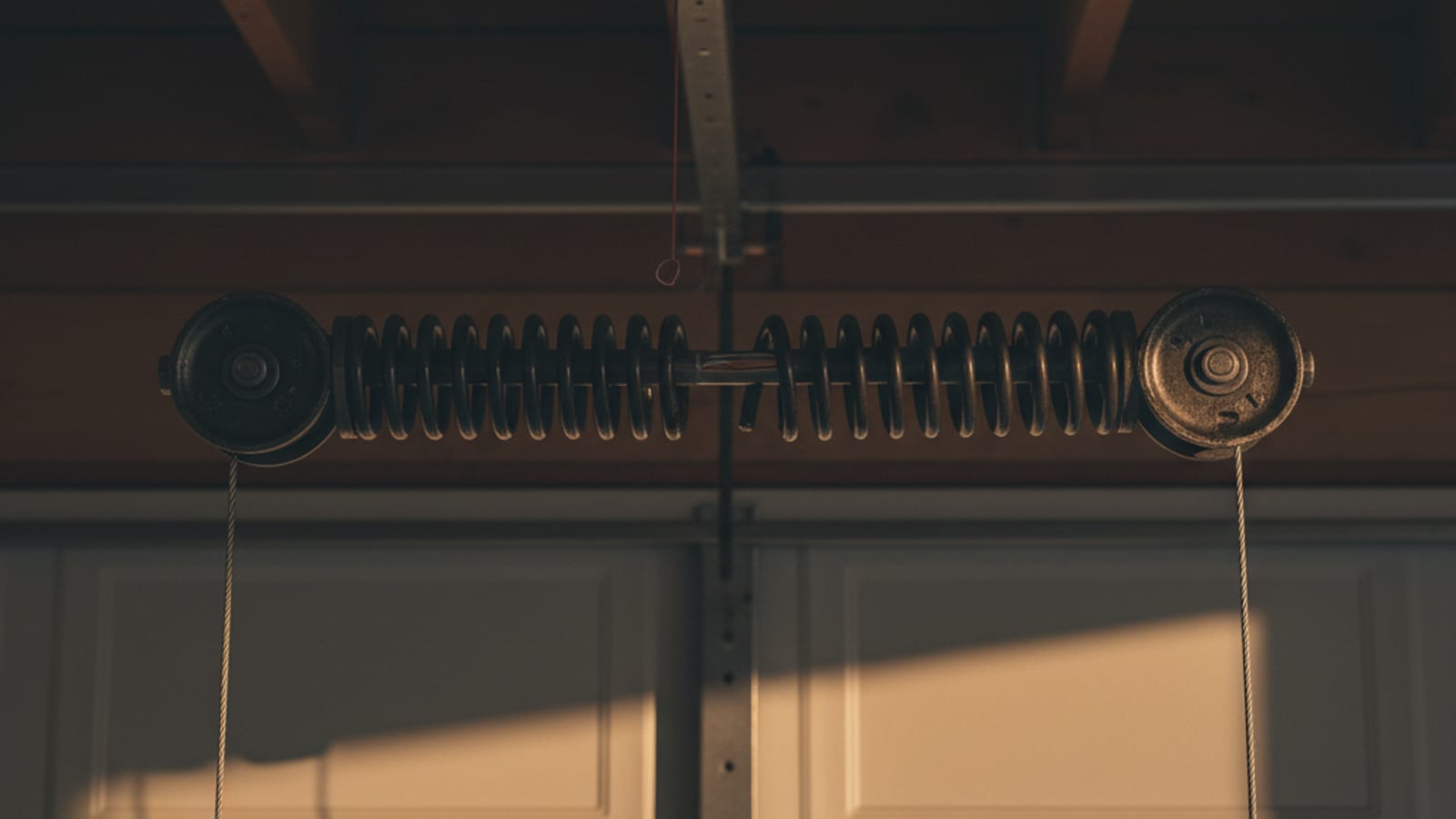
You heard a bang at 6 a.m. that sounded like a gunshot. You walked out to the garage and the door won’t open. Or the opener strains, lifts the door six inches, and stops. Both are classic signs of a broken torsion spring.
This is the part most homeowners know the least about and pay the most for. Let’s fix that. Here’s what spring replacement actually costs in San Diego in 2026, what drives the price up or down, and the two things you absolutely should not do.
How much does garage door spring replacement cost?
| Scenario | Installed price (2026) |
|---|---|
| Single torsion spring, standard gauge | $240–$380 |
| Single torsion spring, heavy gauge (wood/insulated door) | $340–$520 |
| Matched pair of torsion springs, standard | $380–$580 |
| Matched pair, heavy gauge | $520–$720 |
| Extension springs, pair (plus safety cables) | $180–$340 |
| High-cycle spring upgrade (25,000+ cycles) | +35–50% over standard |
| Commercial roll-up torsion spring | $480–$1,200+ |
For most San Diego single-family homes with a standard double-car sectional door, budget $440 for a matched pair of standard-cycle torsion springs, installed. That’s the median across the calls we run.
What actually drives the price
Wire gauge and spring length
Springs are sized by four numbers: wire gauge (thickness), inside diameter, length, and direction (left or right-wound). The wire gauge is the main cost driver.
- 0.225”–0.243” gauge, 26”–30” long: cheapest. Fits most light residential steel doors.
- 0.250”–0.262” gauge, 30”–34” long: mid. Common on insulated doors or larger 18-foot-wide doors.
- 0.273”–0.295” gauge, 34”–42” long: expensive. Wood doors, full-view aluminum with glass, or heavily insulated sectional doors.
Every inch of spring length and every thousandth of wire diameter bumps the wholesale cost. That’s why two houses on the same block can get different quotes: a carriage-style wood door next door to a builder-basic steel door isn’t the same job.
Single vs. matched pair
One of the most common pricing arguments we hear is “why do I need to replace both when only one broke?”
Here’s the honest answer. Both springs are installed on the same day and see the same number of cycles. If one failed at 8.5 years, the other is statistically at 85–95% of its fatigue life. Replacing just one saves you $140–$240 today and guarantees you another service call inside 6–18 months.
Every reputable shop recommends matched-pair replacement. The guys who only swap the broken one are either racing you to a quick sale or setting up a callback.
Standard-cycle vs. high-cycle
A standard torsion spring is rated for about 10,000 cycles. One cycle equals one up and one down. At one and a half cycles per day average, typical single-family use, that’s 12 to 18 years of life, though salt-air corrosion in La Jolla and Oceanside knocks it down to 8–12.
High-cycle springs are wound from heavier wire and rated 25,000 to 50,000 cycles. They cost roughly 40–50% more but last 2–3x longer. Worth it if:
- You open the door 4+ times a day (busy family, work-from-garage, shared driveway)
- You live within 1 mile of the coast where springs fatigue faster
- You plan to stay in the home for 10+ years
Not worth it for a rental property or a home you plan to sell inside 3 years.
Brand of spring
The honest truth: the spring brand doesn’t matter much as long as it’s oil-tempered wire from a US manufacturer. Holmes, DURA-LIFT, and Service Spring Corp are the three most common wholesale suppliers for San Diego shops. Any of them will outlast a typical opener.
Extension springs vs. torsion springs
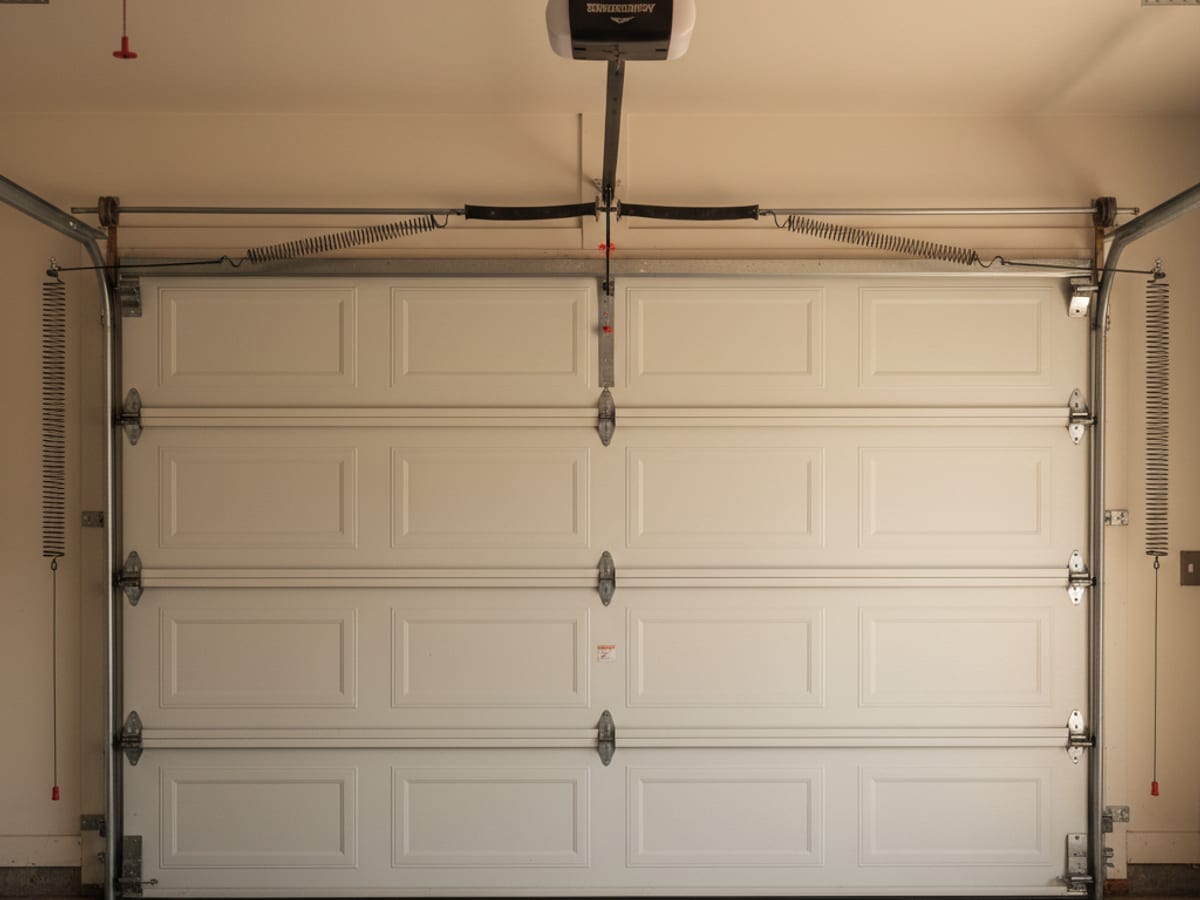
Older homes and some budget builds use extension springs, the long coiled springs that run along the horizontal overhead tracks on each side of the door. They’re cheaper to replace ($180–$340 for the pair) but also more dangerous in failure, which is why every code-compliant extension spring installation includes a safety cable running through the center of the spring.
If you’re not sure which type you have, our full torsion vs. extension spring guide walks through identification and why the type matters.
What’s included in a legitimate quote
A fair spring replacement quote in 2026 should include:
- The exact spring size (gauge and length) being installed
- Matched-pair or single-spring pricing, clearly stated
- New center bearing and end bearings if worn (usually $15–$25 more, not a separate trip)
- New set screws on the cable drums (these strip over time and are cheap to replace)
- Full door balance test after installation
- Limit switch recalibration on the opener (springs changing changes door weight, which changes opener travel)
- At least a 3-year manufacturer warranty on the spring, 1-year labor warranty
The “balance test” is the one most shops skip. The tech disconnects the opener, lifts the door halfway by hand, and lets go. A properly balanced door holds position. A door that slams down or jumps up is under-sprung or over-sprung, which means either the wrong size spring was installed or the winding count is off. Ask your tech to show you the test before they leave.
What not to do: the two DIY mistakes we see
1. Don’t try to wind or replace a torsion spring yourself. A wound torsion spring stores around 200 foot-pounds of torque. A DIY attempt without proper winding bars and technique can launch a bar across the garage at 30+ mph. We’ve seen broken fingers, skull lacerations, and one case of a bar going through a drywall wall into the kitchen. It’s not worth $200.
2. Don’t open a door with a broken spring by force. If you absolutely must move the door (car trapped, emergency), disconnect the opener by pulling the red emergency release cord and lift the door manually, but understand a 180-pound door on one failed spring is dead weight. You need two adults and a clear plan before you lift.
For the full playbook on what to do when a spring breaks, see our broken spring walkthrough.
How long does spring replacement take?
A matched-pair torsion spring replacement on a standard residential door is 60–90 minutes on site. That breakdown:
- Diagnosis and door inspection: 10 minutes
- Spring removal (unwind old, detach from center): 15–20 minutes
- New spring installation and winding: 20–30 minutes
- Balance test and opener recalibration: 10–15 minutes
- Cleanup, walk-through, paperwork: 10 minutes
Extension springs are faster, typically 45 minutes. Commercial roll-ups are 2–4 hours depending on door size and access.
When does spring replacement turn into replacing the whole opener?
If the opener has been straining against a failing spring for months, the motor windings and capacitor are often cooked. Budget $180–$420 extra if the tech finds the opener needs repair at the same visit. Full opener replacement is another $480–$850 if the unit is past its 10–15 year lifespan. See our opener lifespan guide for the signs.
Frequently asked questions
How long does a garage door spring last in San Diego?
A standard 10,000-cycle torsion spring lasts 8–12 years of typical single-family use in most of San Diego County. Coastal homes within 1 mile of the beach see 6–9 years due to salt-air corrosion on the wire. High-cycle (25K) springs double that.
Why are garage door spring quotes so different?
Three factors: wire gauge (heavy-gauge springs cost 40% more), single vs. pair (always quote the pair), and warranty length. A $180 single-spring “special” and a $520 matched-pair replacement are different products. Compare apples to apples.
Can I replace just one torsion spring if only one broke?
Technically yes. Practically no. The second spring has the same age and cycle count as the one that just failed, so you’ll be back in the shop inside a year. Replacing both at once also costs less in labor than two separate visits.
How do I know if my spring is about to break?
Listen for creaking on door operation, watch for visible gaps in the coils, and note if the door feels heavier than it used to. Disconnect the opener monthly and lift the door manually to mid-height. If it drops hard when you let go, the springs are weakening. Schedule a preventive swap before they snap.
For a full breakdown of what every garage door repair costs in 2026, see our San Diego garage door pricing guide. If you’re unsure which spring type you have, the torsion vs. extension explainer clears it up. And if the spring just broke, do this first before you try to move anything.
Broken spring right now? Call Lift Pro SD at (858) 925-5546. We carry matched-pair springs in every common size on every truck, and most calls are fixed in under 90 minutes. Same-day across San Diego County, from Oceanside to Chula Vista.